Are you thinking of living in Midhurst?
This charming market town in West Sussex continues to rank as one of the best places to live in the UK, and in 2026 it remains just as compelling as ever. Nestled in the heart of the South Downs National Park, roughly 20 miles north of Chichester and a short drive from West Wittering Beach, Midhurst offers a rare combination of historical character, natural beauty, and genuine community feel.
Whether you are a young family seeking good schools and open space, a professional commuting to the South East, or someone looking to settle into a slower pace without sacrificing quality of life, Midhurst has something to offer.
In this guide, we will walk you through everything you need to know before making the move.
Overview of This Article
This guide covers everything you need to know about living in Midhurst in 2026.
We look at what makes this West Sussex market town so popular, current house prices and what different property types will cost you, the cost of living compared to UK averages, how well connected Midhurst is by road and rail, the schools and healthcare available to residents, the best things to do locally, and answers to the most common questions people ask before making the move.
Ready to Move to Midhurst?

What Makes Midhurst So Special?
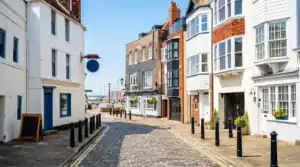
Midhurst is one of those towns that earns its reputation honestly. Its cobbled streets, lined with independent shops, cafes, and restaurants, give it a character that is increasingly rare in modern England. The town’s historic core is defined by its Tudor buildings, many dating back to the 16th century, while North Street showcases some handsome Georgian architecture from the 17th and 18th centuries.
Add in the surrounding South Downs landscape, easy access to some of the best countryside walking and cycling in the South East, and a strong local community spirit, and it becomes clear why demand for property here consistently outpaces supply.
Midhurst is not just a place to live. It is a place to belong.
House Prices in Midhurst 2026

Midhurst offers a wide range of property types, from characterful Tudor and Georgian townhouses in the old town to Victorian and Edwardian semis and more modern 20th-century developments on the outskirts.
Based on the most recent Land Registry data (updated April 2026), the overall average sold price in Midhurst sits at approximately £433,316.
To break that down by property type, terraced properties have averaged around £339,877, semi-detached homes around £410,173, and detached properties around £709,988. Flats and smaller apartments typically sell for around £230,000 at the lower end.
It is worth noting that Midhurst remains more affordable than several of its immediate neighbours.
Nearby Easebourne averages around £646,563, and Bepton commands average prices close to £1,375,000, reflecting the premium attached to the most sought-after villages in this part of West Sussex.
For first-time buyers, the picture is competitive but not impossible. Across the wider West Sussex area, first-time buyer average prices stood at around £333,000 in early 2026, according to ONS and HM Land Registry data.
Properties in Midhurst tend to spend around 16 to 17 weeks on the market, so buyers should be prepared to move with purpose once they find the right home.
Cost of Living in Midhurst 2026

Midhurst sits in one of the more expensive parts of England, and the cost of living here reflects that. The South East of England generally commands higher prices for food, utilities, and housing than much of the rest of the UK, and Midhurst is no exception.
For context, NimbleFins calculated in January 2026 that the average UK household now spends £662 per week, or around £2,870 per month, on essential living expenses including housing, food, transport, and utilities. Households in the South East will typically sit at or above this national figure.
Energy costs remain a significant pressure point. Average UK utility bills (gas and electricity combined, excluding standing charges) are running at roughly £4,200 per year in early 2026, according to NimbleFins. Council tax in the Chichester district, which covers Midhurst, will vary by property band, so it is worth checking your specific banding before committing.
On the positive side, Midhurst is a town where you do not always need to travel far or spend heavily to enjoy yourself. The South Downs on your doorstep, local markets, independent traders, and a strong community calendar mean the best of what the area offers is often free or low cost.
If you are looking to manage your outgoings when living in Midhurst, some practical steps include:
Tracking every outgoing before you move, so you can build a realistic household budget for the area. Comparing energy providers before and after your move, as switching can reduce bills significantly. Leaning into the local market for fresh produce rather than always using larger supermarkets. Moving any existing credit card balances to 0% interest accounts to reduce monthly costs. Making the most of the free outdoor amenities on your doorstep, from Midhurst Common to the South Downs National Park.
Transport Links

One of the practical strengths of living in Midhurst is its road connectivity. The A272, A3, A27, and A286 link the town to the surrounding region efficiently, making it a realistic base for anyone who needs to travel across the South East regularly.
Petworth is just 6 miles away. Guildford is approximately 19 miles. Portsmouth is around 28 miles. And London is roughly 45 miles, making it achievable for those who commute to the capital on a hybrid basis.
For rail travel, residents typically use the nearby stations at Haslemere and Petersfield. From these, Chichester can be reached in around 45 minutes, Portsmouth in approximately 40 minutes, and London in just over an hour.
Midhurst itself does not have a railway station, so a car is a practical necessity for most residents. That said, bus routes connect the town to Chichester, Petersfield, and other local centres.
Healthcare Facilities in Midhurst

Midhurst is well served by local GP practices and dental clinics for day-to-day healthcare needs. The nearest major hospital is St Richard’s Hospital in Chichester, which provides a comprehensive range of services including accident and emergency.
The Midhurst Macmillan Unit at King Edward VII’s Hospital is also locally noteworthy, offering specialist palliative care services for the wider area.
For families and retirees in particular, the combination of local primary care and accessible hospital provision makes Midhurst a genuinely practical place to live.
Schools and Education in Midhurst

For families considering a move, schooling is often one of the first questions. Midhurst does not disappoint.
Midhurst Church of England Primary School and the nearby Easebourne Primary School both hold “Good” ratings from Ofsted. For secondary education, Midhurst Rother College holds an “Outstanding” Ofsted rating, making it one of the strongest comprehensive schools in this part of West Sussex. This is a significant draw for families with older children.
For a granular look at individual school performance data, Ofsted’s own website and Locrating are both excellent resources to consult as you plan your move.
Best Things to Do in Midhurst

Living in Midhurst means having an exceptional range of activities on your doorstep. Here are some of the highlights that residents enjoy year-round.
Cowdray Park: This historic estate offers stunning ruins of Cowdray House, landscaped grounds, a golf course, and a packed events calendar throughout the year, including the world-famous Cowdray Park Polo Club, which hosts some of the biggest polo tournaments in England.
Midhurst Common: A beautiful stretch of open land ideal for walking, dog walking, picnics, and connecting with nature without leaving the town’s edge.
The South Downs National Park: The whole park is effectively on your doorstep, with hundreds of miles of footpaths, cycle routes, and some of the finest chalk downland scenery in England.
Petworth House and Park: A short drive away, this National Trust property houses a world-class art collection within a magnificent mansion set in a sweeping deer park.
Goodwood: The nearby Goodwood estate offers year-round attractions, including horse racing at Goodwood Racecourse, the Festival of Speed, and the Goodwood Revival, drawing visitors from across the country and internationally.
Midhurst Museum: For those who want to understand the town’s history in depth, including its historical role in the wool trade and its rich architectural heritage.
The Local Food and Drink Scene: Midhurst’s selection of independent restaurants, traditional pubs, and cafes reflects the town’s character well. From hearty British pub food to more refined dining, the town punches above its weight for a settlement of its size.
Local Amenities and Services
Day-to-day living in Midhurst is well supported. The town has supermarkets, local independent retailers, markets, and all the essential services you would expect. For larger retail needs, Chichester is the natural destination, with a full range of high street and out-of-town shopping.
The community in Midhurst is active and engaged, with local events, clubs, and organisations ensuring there is always something going on for residents of all ages.
Ready to Move to Midhurst?

If you have done your research and you are ready to make the move, we are here to help make the process as smooth as possible.
Here at Curtiss & Sons Portsmouth, we have been helping families and individuals move home across the South East since 1871. Whether you need a full home removal, packing services, or just some friendly advice on planning your move to Midhurst, our experienced team is ready to help.
Get in touch today to learn more about how we can support your move.
FAQ: Living in Midhurst
What is the average house price in Midhurst in 2026?
Based on the most recent Land Registry data updated in April 2026, the overall average sold price in Midhurst is approximately £433,316. Detached properties average around £709,988, semi-detached homes around £410,173, and terraced properties around £339,877. Flats typically sell from around £230,000.
Is Midhurst a good place to raise a family?
Yes. Midhurst has strong schools at both primary and secondary level, including the Outstanding-rated Midhurst Rother College. The surrounding South Downs National Park provides exceptional outdoor space, and the town has a safe, community-oriented feel that many families find very appealing.
How far is Midhurst from London?
Midhurst is approximately 45 miles from central London. By rail, using the nearest stations at Haslemere or Petersfield, London is reachable in just over an hour. By car via the A3, journey times will vary depending on traffic.
Does Midhurst have a railway station?
No, Midhurst does not currently have its own railway station. The nearest stations are at Haslemere (approximately 12 miles) and Petersfield (approximately 10 miles). A car is generally necessary for commuters.
What is the cost of living like in Midhurst compared to the UK average?
Midhurst sits in the South East of England, where living costs are generally higher than the UK average. The UK average household spending is estimated at around £662 per week in 2026 according to NimbleFins. Residents in Midhurst should expect to sit at or above this, particularly for housing and energy costs, though the lifestyle quality on offer is commensurately high.
What healthcare is available in Midhurst?
Midhurst has local GP practices and dental clinics. The nearest major hospital with A and E facilities is St Richard’s Hospital in Chichester, which is approximately 20 miles away. King Edward VII’s Hospital in Midhurst itself also provides specialist palliative care services through its Midhurst Macmillan Unit.
Is Midhurst in the South Downs National Park?
Yes. Midhurst sits within the South Downs National Park, giving residents direct access to some of the finest countryside in the South East of England, with hundreds of miles of walking, cycling, and riding routes.
What are property prices like in Midhurst compared to neighbouring villages?
Midhurst is actually more affordable than many of its neighbours. Nearby Easebourne averages around £646,563, while Bepton averages close to £1,375,000. Stedham properties average around £502,000. For buyers seeking the West Sussex lifestyle at a more accessible price point, Midhurst represents relatively good value in this part of the market.
How long do properties take to sell in Midhurst?
On average, properties in Midhurst spend around 16 to 17 weeks on the market before going under offer or being sold.
What are the best things to do near Midhurst?
Highlights include the Cowdray Park estate and polo club, the South Downs National Park, Petworth House and Park (National Trust), Goodwood Racecourse and the Festival of Speed, Midhurst Common, and a thriving local food and drink scene. The area is particularly well suited to those who love the outdoors.