
Have you just moved and are looking for the best ways to settle into your new home quickly?
Relocating brings a mix of emotions.
From exhaustion to elation and everything in between.
It’s also normal to experience a period of anticlimax after the chaos of moving out has finished.
After weeks (or months) of organising, packing, and waiting for completion day, the last thing you want is chaos once the boxes are inside the new house.
But let’s be real: settling in isn’t always instant. With a bit of planning and the right steps, you can turn your new house into a home, fast.
Whether this is your first move or your fifth, here are 15 actionable tips to help you settle in quickly and confidently.
1. Pay for bills before you move!

Before handing over the keys to your old property, make sure all outstanding bills are fully settled.
This includes gas, electricity, water, broadband and council tax.
Taking final meter readings and keeping a record of closing statements helps avoid disputes later.
Clearing everything in advance means you won’t be chasing payments or dealing with unexpected bills once you’re settled in your new home.
It’s one less admin task to worry about during an already busy transition.
2. Do a deep clean before unpacking

Most people moving out will have attempted to clean the house.
However, even if the previous occupants left it spotless, a thorough clean creates a fresh canvas.
Focus on areas such as kitchens, bathrooms, floors, and surfaces — especially places you can’t reach easily once furniture is in.
For a checklist of key cleaning tasks, see guides such as the one from Unbiased.
Better still, hire a professional cleaning company to do the hard work for you.
No matter where you live in the UK, there will be one close by.
3. Unpack essentials first

It’s easy to feel overwhelmed and find yourself starting to randomly open boxes.
It’s best to be systematic about it.
Prioritise the boxes you’ll need in the first 48 hours: toiletries, bedding, kitchen basics, and pet supplies.
Go through each box and label them clearly as “Open First” so you don’t get buried under everything else, and start opening boxes containing items you may not need for some time.
This simple step makes the first night much smoother, allowing you to focus on non-urgent items in the coming days.
4. Set up your utilities and services
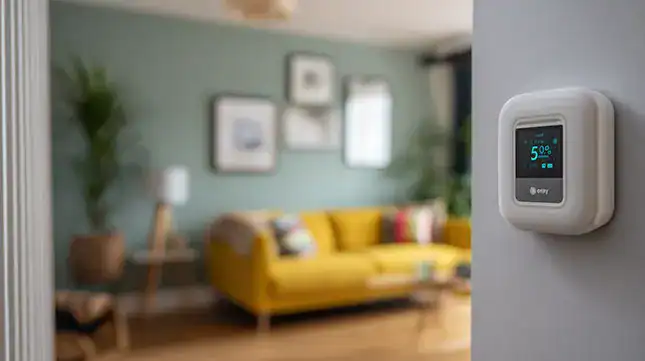
Make sure gas, electricity, water, broadband and waste collection are connected ASAP.
Contact providers ahead of move day and confirm start dates; some services, like broadband or landline installation, can take several weeks to schedule.
If you arrive before the internet is connected, your phone’s mobile hotspot can be a lifesaver. It’s only a short-term fix, but it’ll keep emails, bookings and essentials ticking over.
For a full utilities checklist, see the Post Office guide.
5. Take meter readings immediately

Things can get messy very quickly when dealing with utility providers, especially when switching providers.
The first thing to do when you walk in is photograph or record your gas, water, and electricity meters.
This important step avoids disputes later about who used what, you or the previous occupants.
It’s also a good idea to turn the thermostat down and turn off the water heater before you leave, especially if you don’t know when the next occupants will move in.
6. Change the locks and check safety devices

Security first!
Changing the locks to your new property will give you peace of mind and control.
While you’re at it, test smoke alarms, carbon monoxide detectors, and any home security systems.
If you haven’t already, register your TV Licence at your new address; it’s a legal requirement if you’ll be watching live TV.
It might sound drastic, but it is becoming more and more popular for people to do this at least for the front and back doors.
7. Locate key features
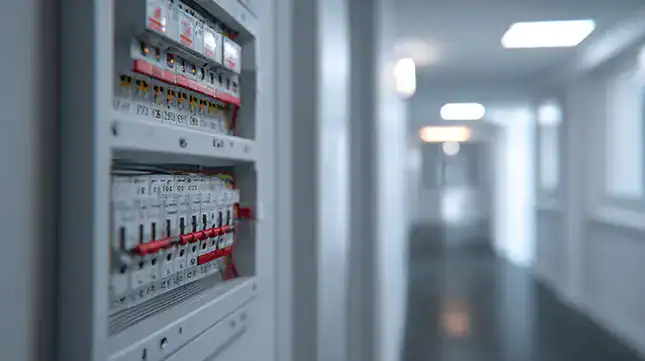
It will take some time to understand the nuances of the new place, but some things are non-negotiable.
First, locate your fuse box, water shut-off valve, and the drain points. In the unlikely event of a fire or flooding, it will take precious moments to rush around and find them.
It only takes a few minutes, but it could save lives further down the line.
8. Find your Bearings locally

Unless you are already familiar with the area, take time to check out where everything is as soon as you can.
Find your nearest grocery store, doctors’ surgery, pharmacy, vets, and public transport hubs.
If you have children, find a play park and, of course, the nearest schools.
Knowing your “home turf” shortcuts the awkward first-week scramble.
Use Google Maps listings to explore key spots around your postcode.
9. Introduce yourself to neighbours
Brits are well known for being aloof, but many are actually very happy to chat if you initiate the conversation.
Even a quick hello can make a neighbourhood feel warmer and more familiar.
You’ll find all kinds of local information, such as bin days, local events and maybe even the best local takeaway spots.
According to Zoopla, neighbour connections help you feel part of the community sooner. Zoopla
10. Register your new address
When you get down to this job, you will likely be shocked at how many people and organisations you have to inform of your new address.
However, don’t be tempted to put this off; the sooner the better.
Make sure you update your details with:
- Government departments and local authorities
- The DVLA for your driving licence and vehicle registration
- Royal Mail to redirect post from your old address.
- Banks, insurers, and other financial providers
- Friends, family, and anyone who regularly sends you mail.
If you want to stay organised, our Moving House Change of Address Checklist breaks everything down into manageable steps.
You can download the PDF and tick items off as you go, ensuring nothing important slips through the cracks.
11. Implement a routine as soon as possible
Establishing a routine as soon as possible helps your brain and body adjust to your new surroundings, and it helps younger children, too.
Familiar habits create a sense of normality, which is especially important after the disruption of moving.
Simple routines like having your morning coffee in the same place, walking the same route each day, or unpacking one room at a time in the evenings can quickly make your new house feel like home.
Routines also reduce decision fatigue, which is common in the first few weeks after a move when everything feels unfamiliar.
Even setting regular mealtimes or a consistent bedtime can help restore balance and reduce stress, allowing you to settle in more comfortably and confidently.
12. Tidy up the garden or outdoor spaces

Outdoor areas are often overlooked during the chaos of moving, but tackling them early can make a surprising difference.
Clearing bins, sweeping pathways, trimming hedges, or simply removing leftover debris helps your new home feel cared for and complete.
A tidy front garden creates a welcoming first impression every time you arrive home, while a usable back garden gives you valuable space to relax, entertain or let children and pets play.
Even small jobs, like placing outdoor furniture or planting a few pots, can make the space feel personal.
Addressing outdoor areas early also prevents small maintenance tasks from piling up later.
13. Have a housewarming party

Hosting a housewarming is a great way to draw a line under moving day and start enjoying your new home.
It doesn’t need to be anything formal; even a relaxed coffee morning or casual drinks can help the space feel lived in.
Inviting friends, family, and nearby neighbours gives you a chance to show off your new place and start building connections locally.
It’s a simple but effective way to turn a house into a home and create positive memories early on.
14. Join local clubs and groups
Joining local clubs or groups is one of the quickest ways to feel part of your new community.
Whether you’re into sports, creative hobbies or volunteering, there’s usually something nearby to suit your interests.
Many groups actively welcome new members and offer a relaxed way to meet people without pressure.
From fitness classes and art workshops to social clubs and volunteer organisations, getting involved locally helps you settle in faster and makes your new area feel familiar and welcoming.
15. Personalise your new home

Adding personal touches is one of the quickest ways to turn a new house into a home.
Decorating with familiar items such as photos, artwork, cushions, or favourite furniture creates a sense of comfort and belonging.
You don’t need to do everything at once; even small changes can make a big difference.
Taking the time to personalise your space helps it reflect your lifestyle and taste, making the environment feel more welcoming and helping you settle in both practically and emotionally.
16. Take breaks and celebrate small wins
Moving is physical and emotional work.
Don’t be too hard on yourself, after all, moving home is one of the top three most stressful life events.
Celebrate putting up the first shelf, hanging curtains, or cooking your first meal.
These aren’t small achievements; they’re the building blocks of feeling settled.
Be sure to have a nice, chilled bottle of wine waiting for you to christen your first night in the new home!
Make settling in less stressful with Curtiss Moving & Storage

There’s no magic fix for feeling instantly at home, but taking a structured, friendly approach makes a massive difference.
A calm, organised approach helps reduce stress and keeps everything moving in the right direction.
At Curtiss Moving & Storage, our experienced team is on hand to support you on moving day and beyond.
From professional packing and careful transportation to unloading and secure storage solutions, we handle the heavy lifting so you can focus on getting comfortable in your new space.
Get in touch to find out how we can help make your move as straightforward as possible.
Let us know how we can help!